
- 1. Artificial Intelligence Moves from Experimentation to Core Operations
- 2. Data Infrastructure and Governance Enter the C-Suite Agenda
- 3. SMEs Embrace Low-Code and No-Code for Scalable Innovation
- 4. Digital Policies and ASEAN Cooperation Shape the Infrastructure Backbone
- 5. Regional Tech Talent Gaps Are Fueling Demand for Cross-Border Collaboration
- 6. Final Notes

1. Artificial Intelligence Moves from Experimentation to Core Operations
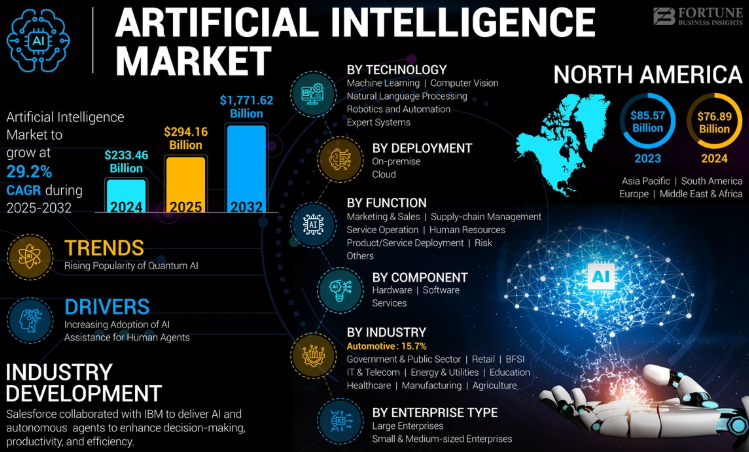
Vietnamese enterprises are entering a new phase of AI adoption. Instead of isolated pilot projects, companies are now embedding AI into core systems. In logistics, predictive analytics are being used to estimate delivery windows and optimize last-mile routing in real time. In customer service, AI chatbots are capable of understanding Vietnamese natural language and are being deployed at scale to replace traditional call centers.
A key highlight this week is the partnership between several Vietnamese tech firms and universities to co-develop open-source Vietnamese-language LLMs (large language models), making AI more context-aware and locally adaptable. This is critical, as many imported AI systems lack effectiveness in tone, dialect, or market behavior unique to Vietnam.
2. Data Infrastructure and Governance Enter the C-Suite Agenda
This week’s new report from the Ministry of Planning and Investment reveals that data infrastructure spending is among the top three IT priorities in Vietnamese enterprises. Data lakes, business intelligence (BI) dashboards, and cloud-native systems are now essential components of business continuity planning.
Banking and retail corporations have begun adopting real-time fraud detection systems and unified customer data platforms (CDPs) to deliver seamless experiences across branches and digital channels. Furthermore, with Decree 13/2023 on personal data protection being enforced, organizations are appointing Data Protection Officers and restructuring their data governance models.
A notable shift is the understanding that raw data must be cleaned, structured, and stored according to business logic to generate insights. As a result, investments in master data management and metadata standards are gaining traction.
3. SMEs Embrace Low-Code and No-Code for Scalable Innovation
Small and medium-sized enterprises (SMEs) in Vietnam are no longer standing on the sidelines. Instead, they are becoming agile adopters of digital tools, particularly low-code and no-code platforms. These tools allow non-developers to build CRM systems, automate payroll processing, and create internal dashboards within days – not months.
In the education sector, some tutoring centers now manage student attendance and parent communications entirely through no-code apps like Glide and Airtable. In F&B, restaurants are creating digital menus, order systems, and delivery tracking with minimal technical know-how.
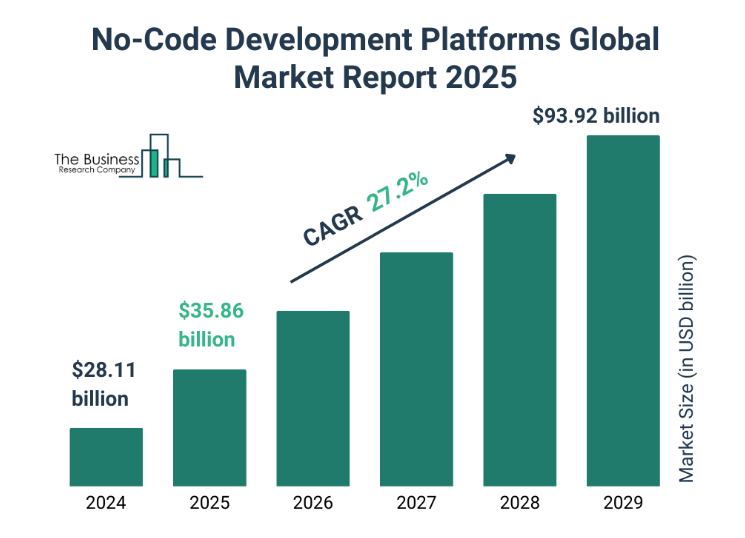
This trend reflects a democratization of technology. The digital barrier is no longer coding ability, but imagination. However, scalability remains a challenge, as many low-code apps may face limits when scaling across departments or integrating with larger enterprise platforms.
4. Digital Policies and ASEAN Cooperation Shape the Infrastructure Backbone
Policy is playing a decisive role in shaping digital transformation’s long-term sustainability. This week at the ASEAN Digital Ministers’ Meeting, Vietnam reaffirmed its commitment to harmonizing data policies and cloud standards across member states. This will be essential for Vietnamese companies engaging in cross-border e-commerce, fintech, and digital services.
Domestically, the Ministry of Information and Communications is launching a national interoperability framework to ensure that different public and private data systems can exchange information securely and efficiently. The first phase includes APIs for healthcare, transportation, and land registry services, scheduled for testing in Q3/2025.
State-owned enterprises are also under pressure to adopt digital KPIs and report progress twice per year, signaling a top-down accountability framework that may soon be extended to private sector players.
5. Regional Tech Talent Gaps Are Fueling Demand for Cross-Border Collaboration
A less visible but increasingly important topic in digital transformation is the shortage of qualified tech talent. This week, VietnamWorks released a survey indicating that 61 percent of tech companies in Vietnam are struggling to recruit mid-level AI and data engineering talent.
As a result, companies are turning to cross-border hiring through remote teams based in the Philippines, India, and Eastern Europe. Several co-working platforms and offshore engineering service providers have reported an increase in Vietnam-based companies seeking part-time or project-based AI engineers.
The Vietnamese government, meanwhile, has launched initiatives with universities to produce 50,000 AI and cybersecurity professionals by 2030. But experts warn that upskilling alone won’t solve the immediate gap—and that hybrid models of in-house and offshore talent will define the next three years of digital execution.
6. Final Notes
Each of these updates reflects a broader shift in how digital transformation is approached-not as a single project, but as an ongoing capability-building journey. From enterprise AI to SME automation, from local policy to regional cooperation, Vietnam is not just catching up-it is actively shaping the digital economy of Southeast Asia.
Check back every Wednesday for expert-curated briefings on Vietnam’s digital future.